
The Anexiety and Depression Workbook
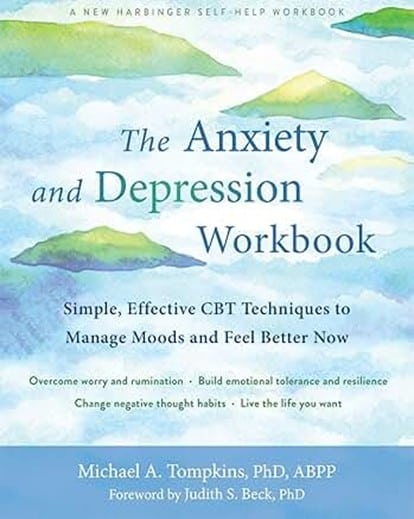
In this workbook, psychologist Michael Tompkins offers evidence-based cognitive-behavioral therapy (CBT) skills to help you target and tear down the emotional avoidance barriers that drive your anxiety and depression. By engaging with the emotions you’ve been seeking to avoid, you’ll learn, “I can handle this feeling.” You’ll also find strategies to help you stay calm during emotional situations; and discover relaxation and mindfulness techniques to deal effectively with difficult thoughts and feelings, and improve your mood and well-being.
Zero to 60

In this workbook, psychologist Michael Tompkins offers evidence-based cognitive-behavioral therapy (CBT) sHigh performance cars can go from zero to sixty in just a few seconds. Anger can feel a lot like that for teens. One minute they are calm, but the next, something sets them on a course to speed out of control. Getting to anger’s edge too fast can get teens in trouble. Expert author Michael Tompkins offers tips and tricks to calm their body, derail thoughts that fuel anger and learn how to communicate and de-escalate situations.kills to help you target and tear down the emotional avoidance barriers that drive your anxiety and depression. By engaging with the emotions you’ve been seeking to avoid, you’ll learn, “I can handle this feeling.” You’ll also find strategies to help you stay calm during emotional situations; and discover relaxation and mindfulness techniques to deal effectively with difficult thoughts and feelings, and improve your mood and well-being.
The Insomnia Workbook for Teens
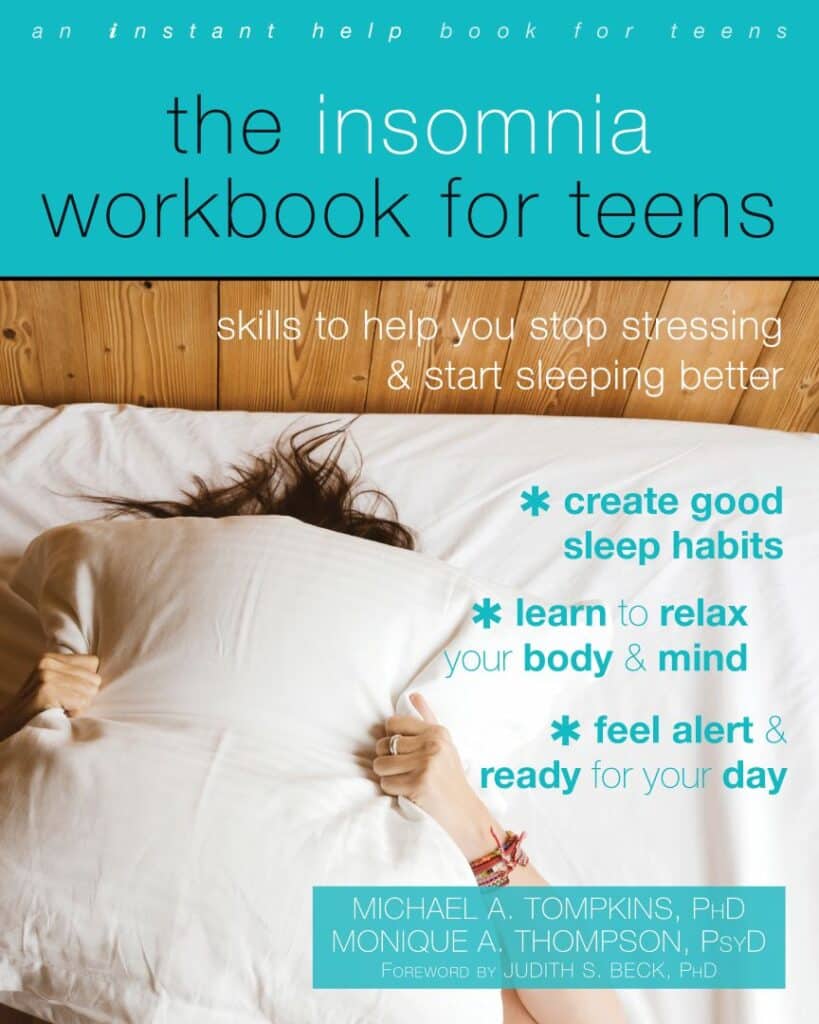
The Insomnia Workbook for Teens offers proven-effective tips and strategies to help you get to sleep and stay asleep. You’ll learn about the different reasons you may experience insomnia, target your own “sleep disrupters” like caffeine and sugar, and discover skills for managing these disrupters so you can stop feeling drowsy and grumpy every day. To purchase: Sleep is food for the brain—especially for teens. Based on the most current sleep science and evidence-based cognitive and behavioral interventions to improve sleep, The Insomnia Workbook for Teens helps teens change their sleep habits so that they can feel more alert and ready to face life’s challenges. If you’re like many other teens, you probably aren’t getting enough sleep. And is it any wonder? Between early school start times, social media, electronic devices, extracurricular activities, and late-night homework—teens are at the highest risk of any age group for sleep deprivation. And in the long run, insomnia can lead to a host of health and mental health issues—including diabetes and depression. So, how can you cultivate a healthy sleep routine, so you can be your best? The Insomnia Workbook for Teens offers proven-effective tips and strategies to help you get to sleep and stay asleep. You’ll learn about the different reasons you may experience insomnia, target your own “sleep disrupters” like caffeine and sugar, and discover skills for managing these disrupters so you can stop feeling drowsy and grumpy every day. It’s hard being a teen in today’s fast-paced world. And it’s even harder to reach your goals when you’re feeling tired and run-down. Based on up-to-the-minute science, this workbook will give you real solutions for overcoming insomnia and getting those much-needed zzzs.
Cognitive Behavioral Therapy for Depression: Essential Strategies to Manage Negative Thoughts and Start Living Your Life
To Purchase: https://www.amazon.com/dp/1647391008/ref=cm_sw_em_r_mt_dp_SOO0FbWD6129Z Break free from depression with these simple, effective CBT strategies Discover the help you need to manage negative thought patterns and reconnect with those around you. Cognitive Behavioral Therapy for Depression delivers an easy-to-use toolbox that provides you with straightforward and actionable exercises. Learn how to reexamine the way you think and act so you can start creating positive change in your daily life. Drawing on Dr. Monique Thompson’s years of expertise using proven cognitive behavioral therapy techniques to help adults and teens face anxiety and depression, this compassionate guide teaches you essential skills and strategies from cognitive behavioral therapy to achieve lasting results. Cognitive Behavioral Therapy for Depression is: Get help managing your depression with cognitive behavioral therapy.
Cognitive Behavior Therapy for OCD in Youth
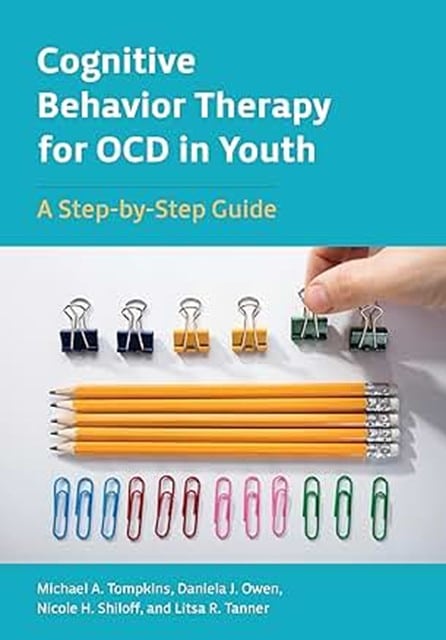
Obsessive-compulsive disorder (OCD), which can cause significant impairment in personal, social, and academic contexts, affects nearly half a million children in the United States. This step-by-step guide provides mental health professionals with an adaptable, evidence-based model that uses cognitive behavior therapy to treat pediatric OCD. The authors present well-tested, empirically-validated strategies that encourage clinical flexibility and creativity. Chapters describe the nuts and bolts of assessment, case conceptualization, and treatment planning, as well as psychoeducation, pharmacotherapy, strategies for relapse prevention, and involving family members in treatment. Richly described case studies illustrate how core strategies can be effectively implemented with youth between the ages of 7 and 18.
Working With Emotions
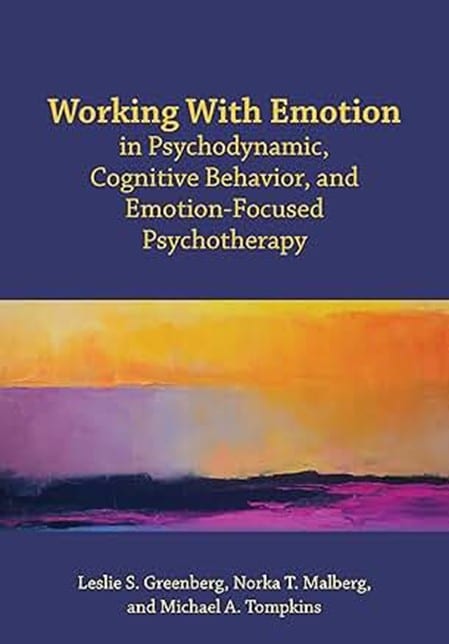
This volume investigates the role of emotion as it is conceptualized and used in three of the most widely practiced approaches today–psychodynamic, cognitive behavior, and emotion-focused psychotherapy. In each chapter, the authors discuss the impact of emotion on child development and learning, the relationship between emotion and motivation, and the ways in which emotion can be harnessed in treatment to improve psychological functioning and strengthen interpersonal relationships. Clinical vignettes show readers how to arouse, identify, and channel emotions in therapy, while also utilizing emotion to develop and maintain an effective therapeutic alliance.
The Relaxation and Stress Reduction Workbook for Teens
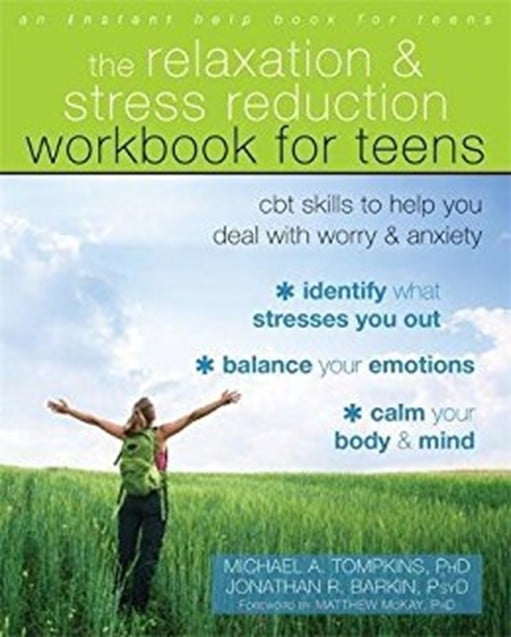
With The Relaxation and Stress Reduction Workbook for Teens, you’ll learn to understand the underlying causes of your stress. You’ll discover practical mindfulness and breathing techniques to help you calm your mind and body in moments of worry and anxiety. You’ll also find tips for moving past “what ifs” and “shoulds,” strategies for managing negative thoughts and emotions, and tools to help you develop your own personalized plan for dealing with stress.
Daring to Challenge OCD
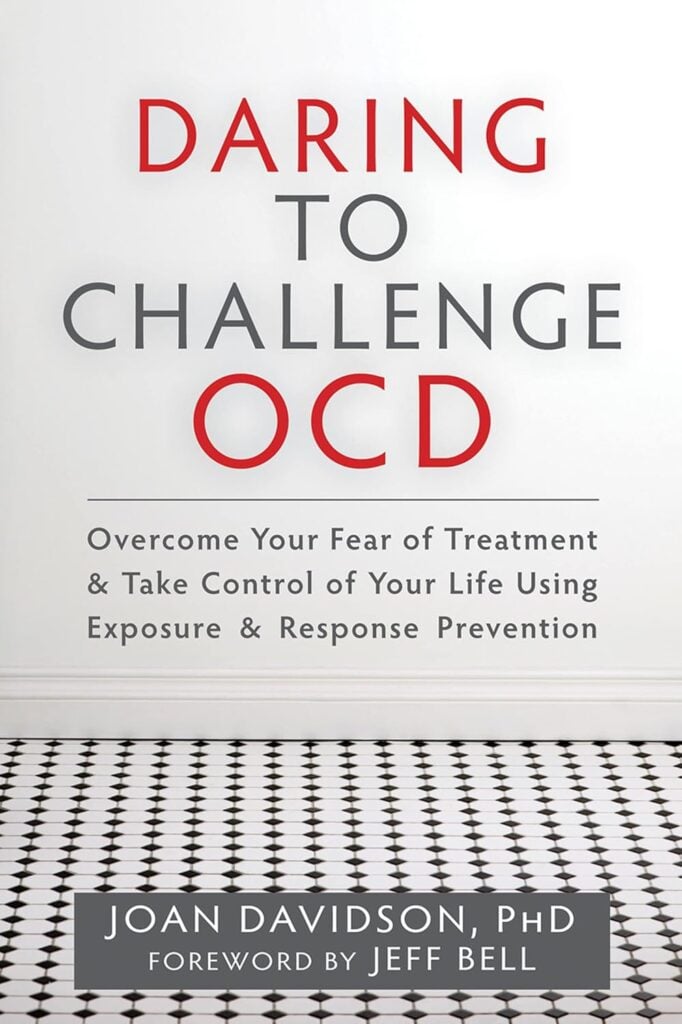
Daring to Challenge OCD: Overcome Your Fear of Treatment & Take Control of Your Life Using Exposure and Response Prevention. By Joan Davidson. Foreword by Jeff Bell. 2014. New Harbinger Publications. Clients with OCD know how debilitating their condition can be but may feel reluctant to start treatment due to fears and misconceptions regarding therapy— particularly exposure and response prevention (ERP) therapy. ERP is a proven-effective treatment that can help people with OCD break free from the constraints of their disorder; however, starting treatment can feel frightening. Many people wonder what treatment will be like and how they will ever face some of their worst fears. They want to hear from others who have successfully completed therapy. In Daring to Challenge OCD, anxiety specialist Joan Davidson, PhD, gives a thorough overview of ERP, what to expect during treatment, and offers gentle guidance to help clients finally overcome the common fears and obstacles that can stand in the way of getting the help they need. Three clients with different OCD symptoms share their personal stories and insights about OCD and treatment. This book will demystify treatment for OCD so clients can face their fears and start changing their life. If you are a therapist helping clients build motivation to engage in ERP, this book offers real treatment stories and exercises for clients, making it an invaluable resource for therapists and wonderful suggested reading for clients building motivation to commit to treatment. If you are a therapist interested in learning about ERP for OCD, this book provides an excellent starting point. You will gain an understanding of the mechanisms underlying OCD, learn strategies to help clients determine if treatment is worth it for them, understand what to consider when setting up successful ERP practices, and develop ideas for helping clients overcome obstacles they may face during treatment. Through treatment stories of real patients, therapists are given the unique opportunity to learn about what transpires in therapy offices of clinicians who successfully guide their patients toward recovery. “Practical and matter-of-fact, yet simultaneously deep and compassionate, Daring to Challenge OCD is made-to-order for anyone plagued by obsessions and compulsions, including family members and loved ones. Loaded with wisdom, science, and clear case examples, it authoritatively documents what OCD is and how to treat it. To my mind, this is the go-to book on the topic across the entire field. Run, don’t walk, to get this book and read it!” —Stephen P. Hinshaw, PhD., professor of psychology at the University of California, Berkeley, and vice-chair of psychology in the department of psychiatry at University of California, San Francisco,
The Transdiagnostic Road Map to Case Formulation and Treatment Planning
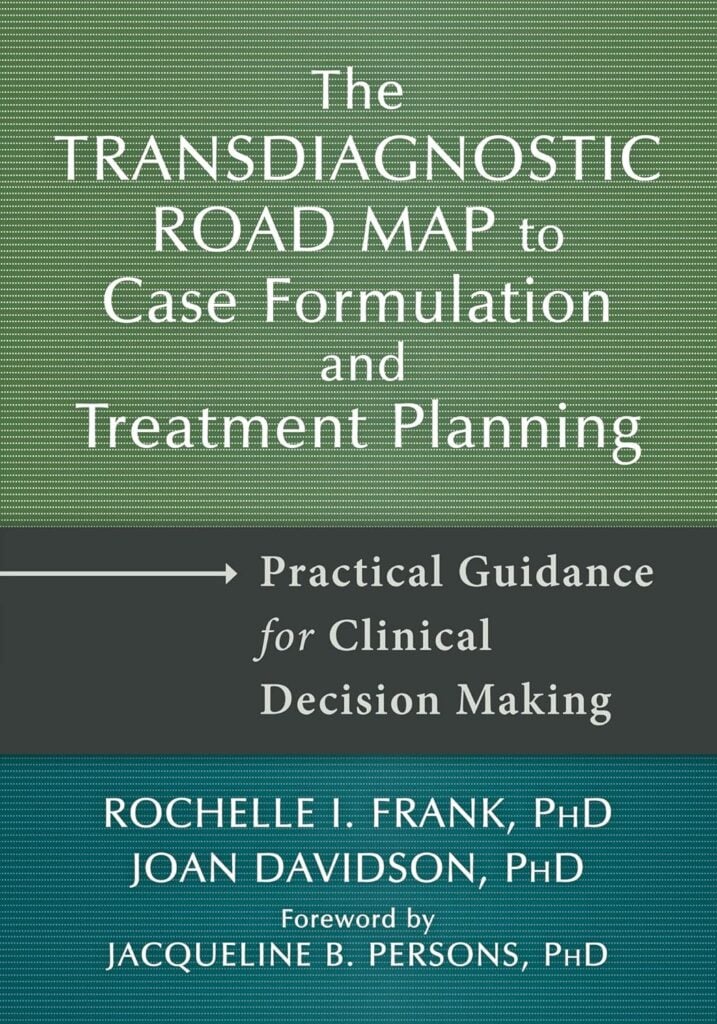
The Transdiagnostic Road Map to Case Formulation & Treatment Planning: Practical Guidance for Clinical Decision Making. Authors: Rochelle Frank, Ph.D. & Joan Davidson, Ph.D. Foreword by Jacqueline B. Persons. 2014. New Harbinger Publications. About the book: Clinical research over the last few decades has given rise to a greater understanding of the psychological mechanisms that underlie many emotional and behavioral disorders. Evidence now suggests that transdiagnostic approaches—rather than protocols that focus on a singular diagnosis—can greatly improve treatment outcomes. If you are interested in treating patients with symptoms that span different diagnostic categories, this book is an extremely important addition to your professional library. This breakthrough guide provides a compass for navigating both simple and complex cases to arrive at a more effective, individualized type of treatment planning—one that is tailored to your client’s specific needs. This transdiagnostic approach focuses on the mechanisms that underlie client symptoms, and offers a departure from traditional treatments relying on DSM categorization and provides mental health professionals with essential tools for treating a broad range of client problems. Finally, it builds on existing case formulation approaches by bridging research on psychological mechanisms with practical steps for assessment and treatment. “Amid today’s flood of books and cacophony of webinars and podcasts, Frank and Davidson’s sage advice stands out in this unique text on transdiagnostic road maps. This book is well written with clinical acumen and a solid link to the empirical literature on comorbidity. It should be required reading for all students, clinicians, and researchers in the field. I highly recommend it!” —Frank M. Dattilio, PhD, ABPP, Harvard Medical School, Boston, MA
My Anxious Mind
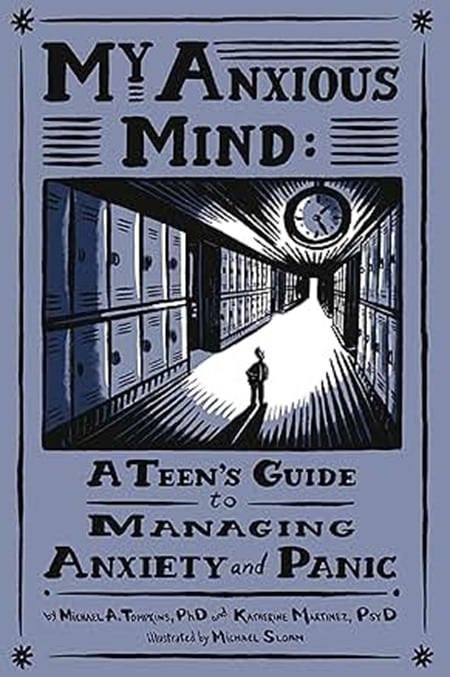
My Anxious Mind helps teens feel more confident and empowered in the process of taking control of their anxious feelings. It also offers ways for teens with anxiety to improve their inter-personal skills, manage stress; handle panic attacks; use diet and exercise appropriately; and decide whether medication is right for them.