
OCD A Guide for The Newly Diagnosed
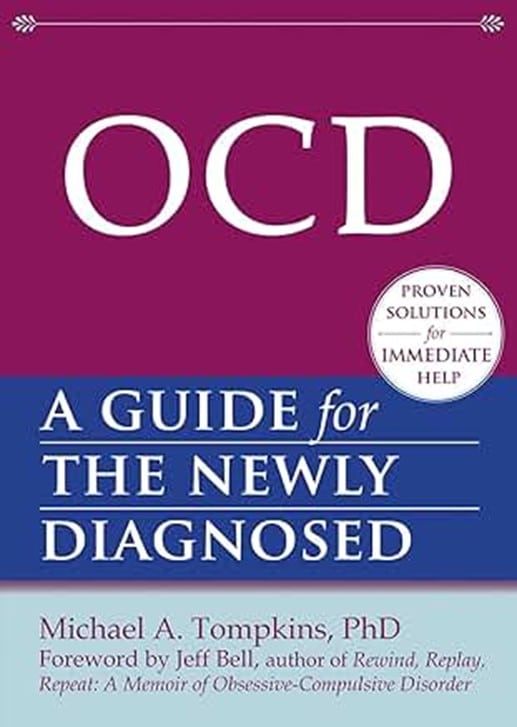
When someone is diagnosed with obsessive-compulsive disorder (OCD), chances are they’ve been living with the symptoms for a long time. People with OCD may have long felt embarrassed by their thoughts and behaviors, which may include fear of contamination, the need for symmetry, pathological doubt, aggressive thoughts, repeating behaviors, and obsessive cleaning. OCD: A Guide for the Newly Diagnosed helps readers understand how OCD works so they can develop better strategies for coping with their symptoms. This pocket guide offers guidance for coping with the diagnosis itself, discusses stigmas related to OCD, and includes help for readers unsure of who they should tell about the diagnosis. Readers also learn about the most effective treatment approaches and easy ways to begin to manage their OCD symptoms.
Anxiety and Avoidance
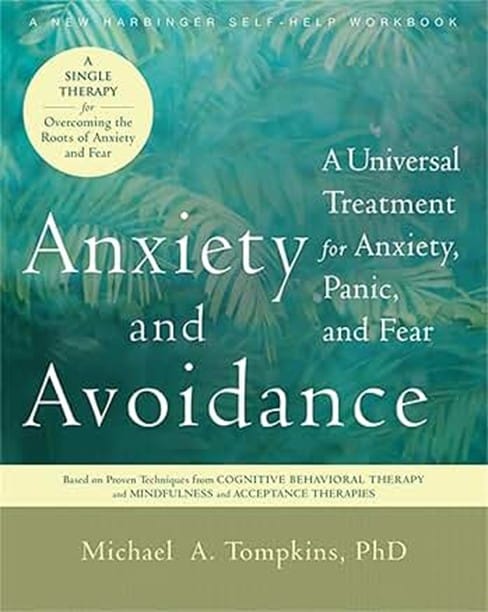
In Anxiety and Avoidance, psychologist and anxiety disorder expert Michael Tompkins presents a universal protocol to help you cope with anxiety, panic, and fear, regardless of your particular mental health diagnosis. This universal protocol is based on David H. Barlow’s “unified protocol,” and is a cognitive behavioral approach. Tompkins also draws on mindfulness-based therapies such as acceptance and commitment therapy (ACT) that have been used successfully in the treatment of anxiety disorders for years. If you are ready to stop avoiding situations that cause you to panic and get back to living a full life, this book is a powerful resource that can help you make a lasting change using an innovative, transdiagnostic approach.
Digging Out
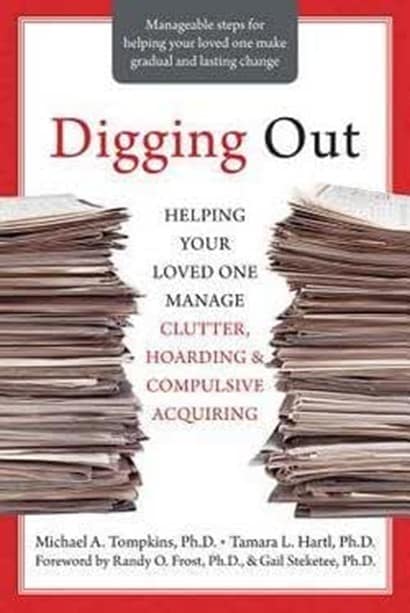
Many people who hoard understand the extent of their problem and are open to help. This book is not for them. Digging Out is for the concerned and frustrated friends and family members of people who do not fully accept the magnitude of their hoarding problem and refuse help from others. If you have a friend or loved one with a hoarding problem and are seeking a way to guide him or her to a healthier, safer way of life, this book is for you. In Digging Out, you will find a complete guide to helping your loved one with a hoarding problem live safely and comfortably in his or her home or apartment. Included are realistic harm reduction strategies that you can use to help your loved one manage health and safety hazards, avoid eviction, and motivate him or her to make long-term lifestyle changes. You’ll learn how to handle a roommate or spouse with a hoarding problem, identify and work through special considerations that may arise when the person who hoards is frail and elderly, and receive guidance for healing strained relationships between people who hoard and their friends and family. Take heart. With this book as a guide, you can help your loved one live more comfortably and safely, salvage your damaged relationship, and restore your peace of mind.
Using Homework in Psychotherapy
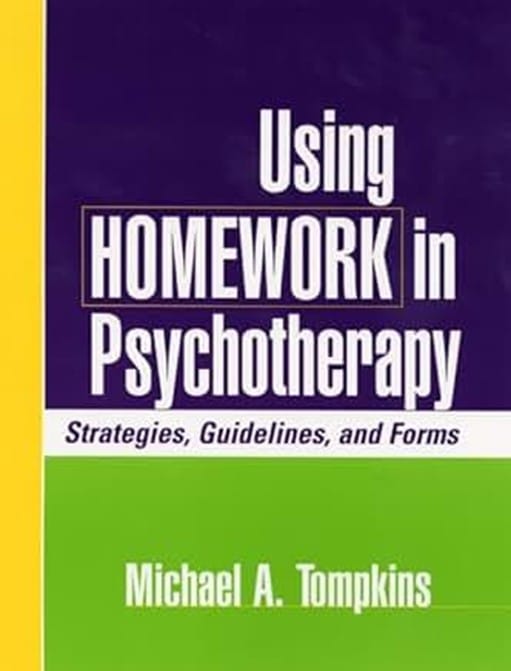
A step-by-step guide for therapists who want to start implementing homework or to increase the effectiveness of assignments, this hands-on book is ideal for clinicians from any theoretical orientation. Presented are creative strategies for developing meaningful homework assignments, enhancing compliance, and overcoming typical homework obstacles. Nearly 50 reproducible forms are featured along with detailed recommendations for using them to accomplish five broad therapeutic goals: increasing awareness, scheduling activities, improving emotion regulation and interpersonal effectiveness, and testing assumptions. Also provided are tips for working with special populations, including adolescents, older adults, couples, and clients with severe depression or anxiety. Bursting with helpful tools, tips, and examples, the volume is designed in a convenient 8 1/2″ x 11″ format with lay-flat binding for ease of photocopying.
Essential Components of Cognitive-Behavior Therapy for Depression
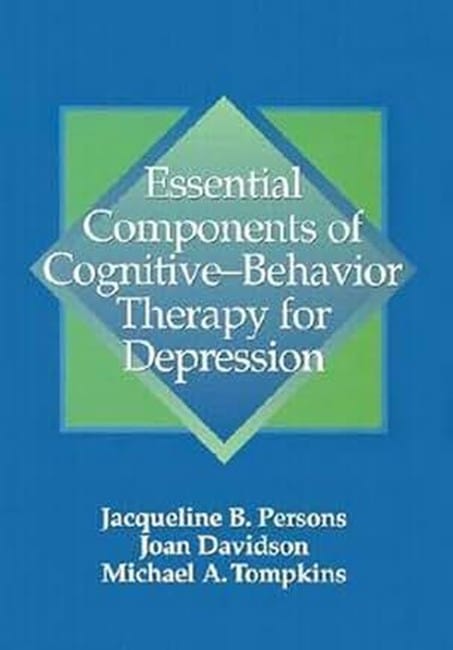
Authors: Jacqueline B. Persons, Joan Davidson, & Michael A. Tompkins. 2001. The American Psychological Association. This volume presents the essential components of cognitive-behavior therapy for depression. Throughout, the authors emphasize the theory and practices of Aaron T. Beck to create a book that is grounded in the best of CBT’s traditions but that refines and fleshes out the practical aspects of its application. The method described is flexible enough to be used in disorders other than depression, including eating disorders and anxiety. Intended for both trainees and practitioners in the mental health professions, the book details the five basic components of the therapy in practice: developing an individualized case formulation, session structuring, activity scheduling, the thought record, and the schema change method. A thorough case study is included to illustrate how the therapist uses the case formulation to plan and carry out treatment. Examples of each major intervention are also provided as well as a demonstration of how the assessment and intervention strategies are woven together over the course of treatment. This is the perfect teaching tool for those working in clinical, counseling, and health psychology as well as social work, psychiatry, psychiatric nurses, marriage and family counseling, and pastoral counseling. A complete video series is also available that illustrates the techniques described in the book. Visit www.apa.org/videos/. Purchase