
Everyone Feels Sad Sometimes
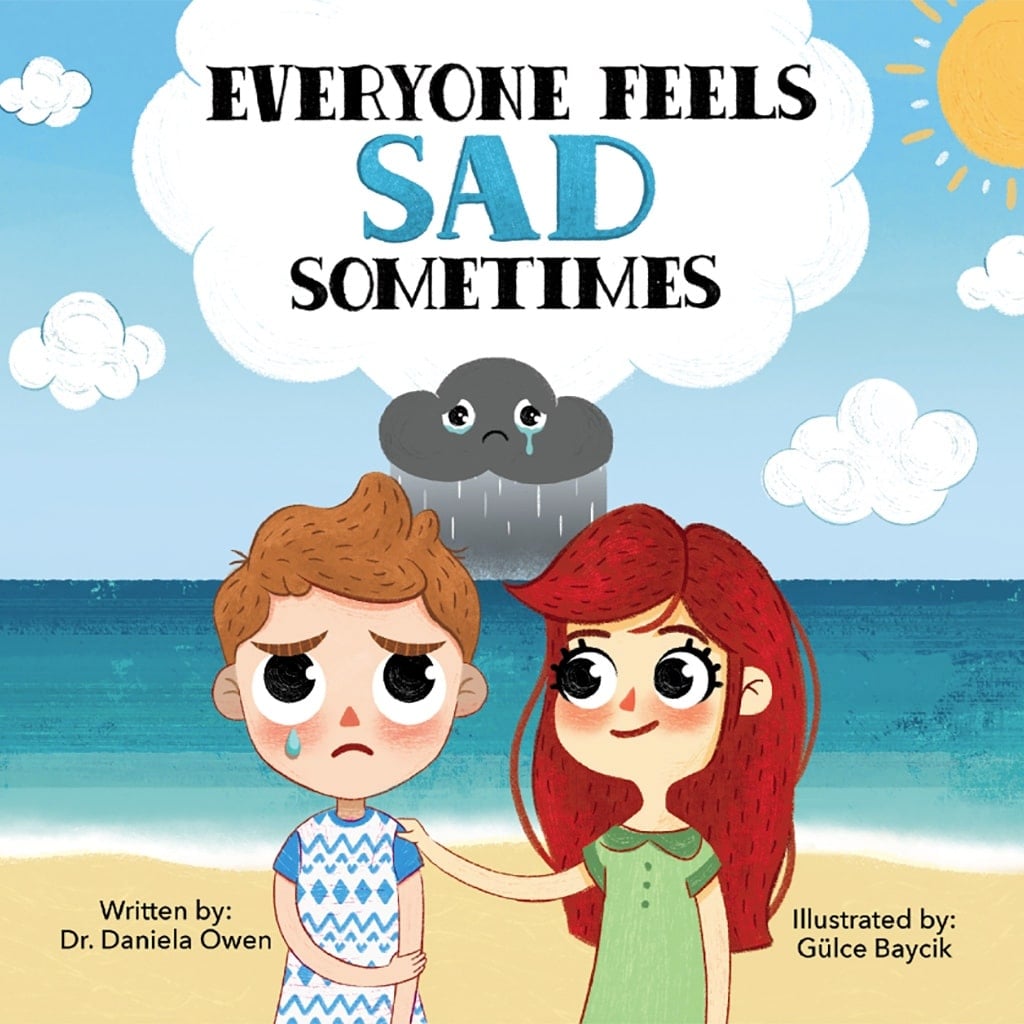
Overcome dark clouds and sad feelings by unlocking these powerful happiness triggers Sadness can make us feel like a big, dark cloud is hovering above us. But it’s okay to feel sad. We may feel sad because we feel left out or someone we love is sick. Just know that you will be okay and that you have the power to change how you feel. In Everyone Feels Sad Sometimes, children will learn powerful happiness triggers that will help them process any big feelings. Sunnier Skies are ahead with practical mood-boosting tricks that help alleviate children’s sadness When sadness is at your door, know that it’s okay to not be okay. Sometimes the best thing to do when we’re sad is to focus on activities that bring us a little spot of happiness and switch our thoughts into something positive. Remember that kindness starts with you and that even if something very sad happened, you still deserve compassion and joy for yourself.
Everyone Feels Anxious Sometimes
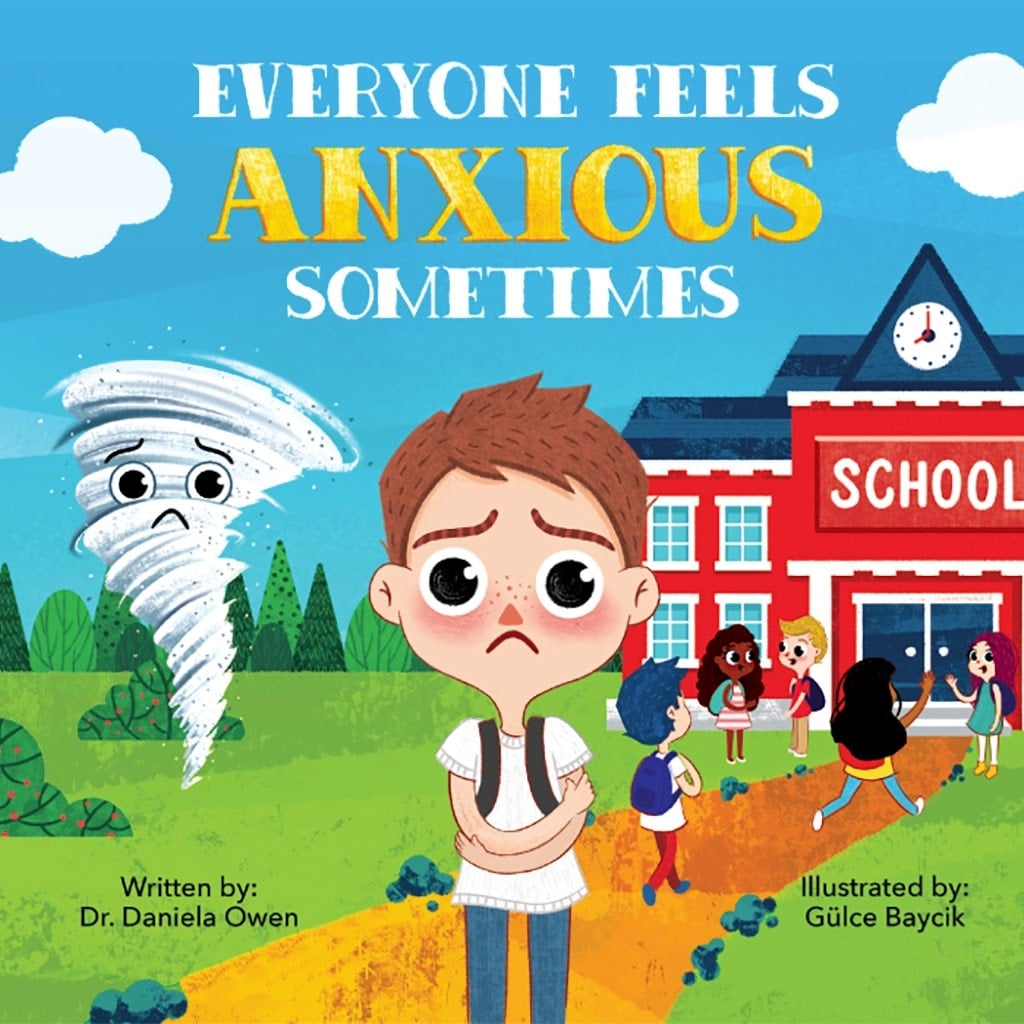
A Kid’s Guide to Overcoming Anxiety and Finding Inner Peace and Confidence – Anxiety Book for Children Ages 3-10 to Help Alleviate Worry Discover practical tools to calm anxiety so that you can focus on being the best you It’s okay to feel anxious sometimes. But if we let it grow, it can turn into a never-ending tornado of worry and dizzy spells. In this book, kids will learn soothing strategies that help boost calmness. Kids will feel empowered in overcoming worries, stress, and fear so that they can finally ease anxiety and stay focused on the things that bring them joy. Take the first step to reach a mind valley of inner peace, strength, and success Lots of different things can make us feel anxious but don’t let your thoughts turn you into a worry machine! Kids will learn to identify what makes them anxious, how to brainstorm solutions to get rid of their worry, and how to focus on the present moment so that they stay calm, happy, and in control.
Everyone Feels Angry Sometimes
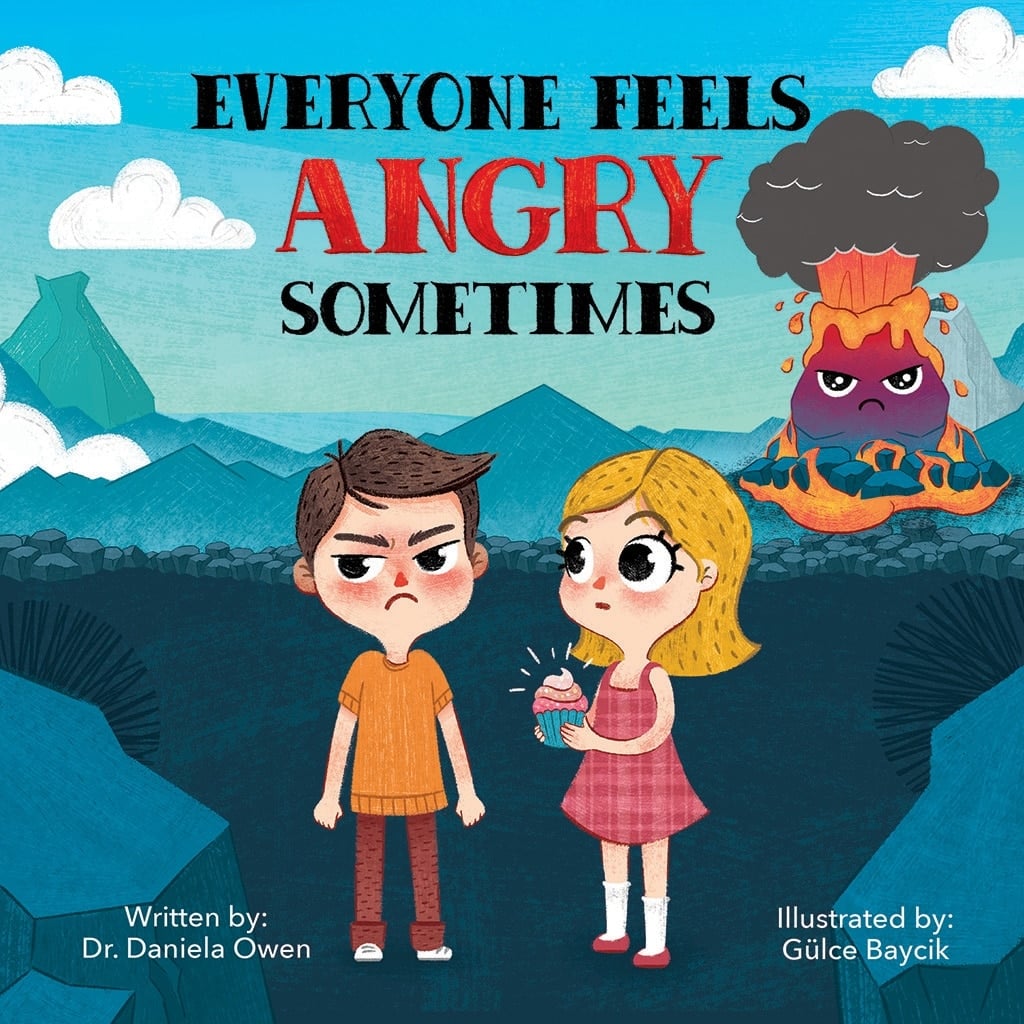
An Anger Management Book for Kids that Teaches Essential Steps to Manage Anger & Frustration – A Psychologist Recommended Book for Children Ages 3-10 Kids will learn core emotions management skills as they navigate their expressions of anger Anger can erupt like lava if we let it bubble inside us. But voices are not for yelling and hands are not for hitting just because we feel like a volcano inside! Everyone Feels Angry Sometimes teaches mindfulness for kids and how to prevent a little spot of anger or a little spot of frustration from escalating into a full-blown tantrum. One of the best self-help books for children that teaches the 4 levels of anger It’s not healthy for a child’s inner angry ninja to reach the breaking point where they’ll resort to kicking, screaming, and breaking things. That’s why in Everyone Feels Angry Sometimes, the 4 levels of anger teaches emotional self regulation for kids so that they can assess how they’re feeling and take action to avoid reaching their breaking point.
Clinician’s Guide to Severe Hoarding
In response to this growing public health problem, Clinician’s Guide to Severe Hoarding refines our understanding and presents in depth and innovative alternative to traditional interventions. Arguing that although treatment for hoarding can be effective for those who are open to help, people with severe hoarding are not. The Clinician’s Guide to Severe Hoarding describes an alternative strategy to help those who adamantly refuse help and yet face significant health and safety risks due to the hoarding problem – harm reduction. This client-centered approach takes readers through harm reduction plan development, team building, goal setting, client collaboration, and progress assessment. The Clinician’s Guide also explains that a successful harm reduction plan may encourage clients to seek further help, and offers insights into working with special populations such as people who hoard animals and children who exhibit hoarding behavior. With its practical common-sense approach to a complex problem, Clinician’s Guide to Severe Hoarding is a unique volume not only for mental health practitioners, but also other professionals who assist people who hoard, such as home health aides, social workers, and professional organizers.