
Keeping Kids Active During Holiday Break…Without Electronics
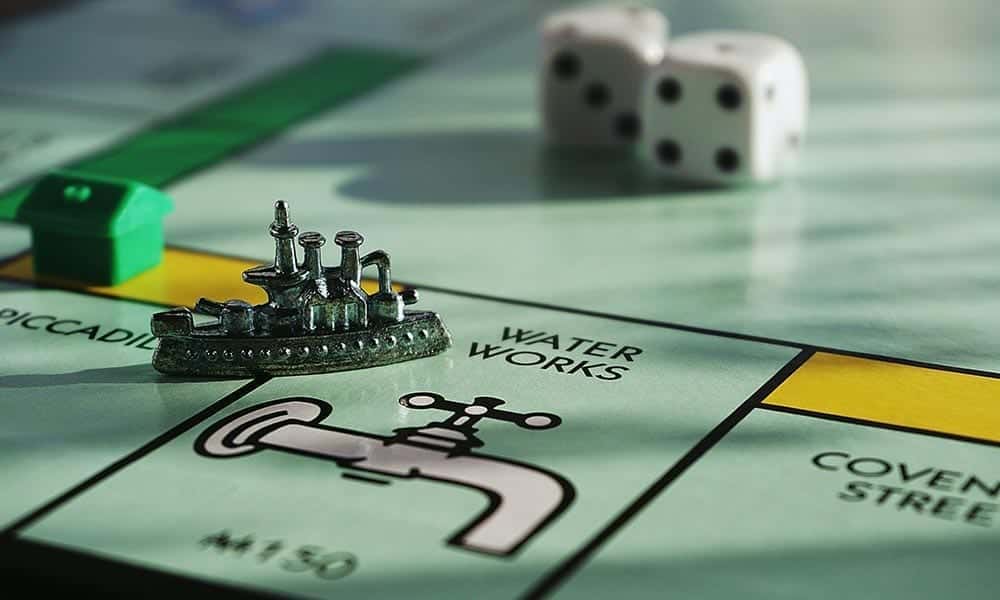
Despite the joy of the holidays, parents often wonder how to keep their children entertained. Here are non-electronic ways to engage kids over school break.
Role of Play in Cognitive-Behavior Therapy

Engaging children in therapy is important to successful treatment, and play is a great way to do that. Here are just a few of the benefits of play therapy.
Harnessing Your Attention: A Powerful Tool in Your Parenting Toolkit

It’s no secret that kids crave attention—in fact, parents’ attention can be the most powerful reinforcement a child can receive. And that goes for positive as well as negative attention—whether you’re complimenting your child or yelling at him. Therefore, it’s important to know how to use your attention wisely.
Shy Kids, Silent Kids
I met Margaret when she was 5-years old. She wore faded overalls inherited from her older brother that her mother had embroidered with flowers, stars, and hearts. Her mother had to pull Margaret into my office. Once there, Margaret burrowed her head into her mother’s side and would not look at me. When I asked Margaret a question, she whimpered but otherwise said nothing. Margaret’s mother told me that Margaret had been shy all her life. She spoke only to them, her brother and her younger cousin when she came to visit. Margaret’s older brother would often communicate for her and was quite protective of her. Margaret’s parents had stopped taking her to family gatherings because she would whine for days before the scheduled event and then, once there, she would run to a room where she could read or play alone. Margaret’s teacher no longer encouraged Margaret to speak or to read during circle time and would often permit Margaret to sit at her desk rather than in the circle with the other kids. Margaret’s parents no longer had friends or family members to their home because it was so stressful for Margaret and they had become quite isolated themselves. Social phobia appears to affect approximately 1% of the general population kids and teens. A small percentage of socially anxious kids are selectively mute, that is, children who are particularly shy and fearful of social situations in which others expect them to speak, interact, or perform. Therefore, selectively mute children speak only in certain situations or only to certain people. The prevalence of selectively mute children in the general population is quite small (perhaps less than 0.5%) but may be underreported as most children “outgrow” the problem. Although selective mutism is viewed by some researchers as a form of social anxiety, it can be a symptom of other psychiatric disorders such as schizophrenia, depression, neurodevelopmental disorders (such as autism spectrum disorders or severe expressive language disorders), or hearing problems. For socially phobic kids, silence is a way of coping with anxiety (or even terror) and requires a flexible and comprehensive treatment approach. The components of cognitive-behavior therapy for selective mutism includes varies from child to child but always includes graduated exposure, modeling, and reinforcement of approach behavior (speaking to peers or teachers, or in any social situation in which the child is expected to speak). Here are a few guidelines that I follow when I work with selectively mute kids. Use a variety of exposure-based approaches. A central ingredient in the treatment of all anxiety disorders is exposure to the feared situation or object. In the case of a selectively mute kid, this usually means social or performance situations of one sort or another. When selecting exposure tasks, it is essential that clinicians consider the child’s age and developmental level. For example, systematic desensitization is effective for older children and adolescents but younger children may have trouble imaging fear stimuli or mastering progressive muscle relaxation (key components of this intervention). Emotive imagery in which the child imagines a favorite fearless superhero while in the presence of the feared social situation or event may be more effective for young children or children who have trouble imaging. Videotaping the child speaking, singing or performing is another useful exposure-based approach. For example, I videotaped Megan, a socially anxious 7-year old, reading a favorite story. Megan, her mother, and I then develop a list of various “audiences” that she rated according to how scary it would be for her to have someone watch the videotape. Her list included (in order of difficulty) her parents, cousins, aunts, and uncles; her school friends and her teacher; relatives she was less acquainted with; and, friends of her parents who she did not know. At first the videotape was shown to each audience without Megan present because this was less anxiety provoking for her. Later, Megan was in the back of the room with the audience as they viewed the videotape, and as she became less anxious, she sat with the audience while they watch the videotape together. Gradually, Megan moved through these exposures until she was ready to try reading aloud to the audience herself. Additionally, therapists can reward selectively mute children for speaking to them by saying words using a kazoo or paper-on-comb. This is more fun for the child and often less anxiety provoking. Reward Pro-social behavior, including speaking. It is essential that parents learn to reward the child for remaining in the presence of an anxiety-provoking stimulus for progressively longer periods of time or for any pro-social behavior they observe. For example, parents might work with their child to set small goals for each social encounter, “Wave hi to your Uncle Jim when we see him at the party.” I work with parents to create a clear and simple incentive system (such as chip or point systems) to reinforce appropriate social behavior in the home, school and other settings. I like to ask parents to take photos of these successes and then they and the child post somewhere in the house. One selectively mute child posted her photos in the hallway to her bedroom. She proudly called it her “Walk of Talk.” Encourage an attitude that expects and rewards pro-social behavior. Often socially anxious children are not adequately reinforced for social behavior or are inadvertently reinforced for nonsocial behavior. For example, Jill a shy 5-year old would drift off to her room whenever her parents had visitors to their home. Jill’s parents had given up encouraging Jill to speak even to friends and family members and admitted that it was easier to let her play in her room alone. Over time, Jill’s parents stopped taking Jill to family gatherings altogether. Eventually they stopped seeing friends and family themselves because they felt guilty about leaving Jill so often with a sitter. I encourage parents (and others who are part of the child’s social network) to adopt an attitude
Doing it Backwards: Why Addressing Misbehavior Starts with Positive Reinforcement, Not Punishment
Part 1 in a series on effectively managing challenging behavior in children Most children have their fair share of behavioral challenges, but for some, these can be especially intense, leaving the whole family exasperated. Difficult behaviors like backtalk, incessant arguing, attention-seeking, lying, and even swearing, hitting, and outright defiance can be incredibly stressful for even the most patient and well-intentioned parents. By the time many parents get to my office, they’re often so fed up that they want effective discipline strategies yesterday. They believe the first step to getting these behaviors under control is through consequences and punishment. Well, not so fast. Experts all agree, the first step in managing difficult behavior is often the last thing parents might expect: reinforcing the positive. If your child has been exhibiting challenging behaviors for awhile, chances are you’ve tried a lot already, including ever-more strict consequences. No privileges for a month! Sound familiar? Well, if you can relate to this, you probably also know that harsh punishments usually don’t work (at least not for long), and they usually just lead to more anger—both for your child and for you. To make matters worse, when over-the-top consequences are given in the heat of the moment, parents often find they can’t actually follow through, thereby breaking down integrity and respect even further. Pretty soon, parents become hyper-aware of their child’s misbehaviors, which sets off a powerful feedback loop. Ever notice how when you pay a lot of attention to something (for example, that one car you’d really love to own) you start noticing it everywhere? Likewise, when parents struggle with a child who misbehaves, they notice more of the misbehavior, which often results in even more punishment and irritability, and less praise and warmth than might otherwise be given. At the same time, your child feels she can do nothing right, which in turn leads to more defiance, stubbornness, and anger, reinforcing the parents’ view of their child as a problem. See how quickly it can become a vicious cycle? Additionally, your attitude that your child’s acting out is unacceptable doesn’t make that behavior stop. Many parents exclaim, “I would never have spoken/acted that way to my parents!” And yet, it is happening, and the yelling, fighting, and punishing isn’t working to change it. And if parents aren’t on the same page, things can feel even more desperate. Something needs to change, and as much as we’d like children to be the ones to shift their behavior first, the reality is that you’re the parent and the adult in the situation, and it’s up to you to take the first steps towards peace. Hopefully it’s becoming clear why adding in more consequences and discipline to a family already in conflict is like dumping more fuel onto the fire. Once families are stuck in this cycle of negative attention and interaction, the most important first step is to break free of the cycle. Here is where positive reinforcement comes in, which means paying more attention to the positive, and less attention to the negative. This doesn’t mean you are condoning bad behavior, or that you are getting rid of consequences, but when you reinforce the positive behaviors in your child (and believe me, even children who have significant behavioral challenges also do many things well), not only will she feel acknowledged and appreciated, but you will also feel better about your child because you’ll be noticing more of her positive behaviors. And when the ice starts to melt, there will be room for change. In addition, many challenging behaviors are worsened by built-up anger and resentment, so when parents reinforce the positive, that alone often leads to improvements. As you’ll learn in the next post in this series, your attention is one of your most powerful parenting tools, and when you use it judiciously, you can create positive changes in your child’s behaviors. As behaviors start to improve, you may find you actually need fewer consequences. And when parents then use effective discipline strategies after first building on the positive, children are more receptive and less angry because the relationship is getting back on track. Now that you understand why positive reinforcement is the first step in managing challenging behaviors, stay tuned for my next posts, where I’ll review how to get the most out of positive attention, methods for creating an effective reinforcement system at home, and ways parents can take care of themselves and remain hopeful throughout the process.
When the Winnie-the-Pooh Cup is Half-Empty: Cognitive-Behavior Therapy for Depressed Children
A clinician recently told me that cognitive-behavior therapy (CBT) wasn’t appropriate for children because it was “too cerebral.” I asked her what she meant by this and she said that CBT just wasn’t any fun. It didn’t look fun to her so it couldn’t be fun to a kid. And, if it wasn’t fun then it wasn’t accessible. This clinician, to a degree, is correct. The effectiveness of psychosocial interventions for a kid rests on our ability to take a treatment protocol (often developed for adult populations) and adjust for the developmental age of the kid and engage the kid in the therapeutic process and tasks. Play and fun help with that. Play is an essential feature of CBT with kids. In fact, I have a blast with the kids and I think they do too. Before throwing out CBT with the proverbial bath water, I’d like to suggest a few guidelines to incorporate play and fun in conventional CBT strategies when treating depressed kids. Don’t say it when you can play it. I learned early with kids that talking only gets me into trouble. Whenever possible, I try to illustrate a point through play or a game. For example, a behavioral experiment is a common CBT strategy for helping a client test the validity of a belief or attitude. Most kids understand the idea of an experiment and can be easily convinced to engage in a behavioral experiment if it looks like it might be a little fun. For example, James was a depressed nine-year old boy who believed that no one liked him. He told me that his older sister was well liked because her school yearbook was signed “by everybody in the whole school.” I asked James whether kids in his school would sign a yearbook if he had one. He said “No way. Only your friends sign your yearbook and I don’t have any friends.” James agreed to check this out if we could devise a way to do it. James didn’t have a school yearbook but he did remember a kid who broke his arm last year and had his cast signed by his friends. James and I made a simple paper-mache cast. I also alerted James’ teacher to the experiment. James brought the cast the following week and we colored it and made it ready for school the next day. When James arrived for his next therapy session, I met him in the waiting room. He held his arm behind his back. As we stepped into the office, he brought his arm forward and smiled. The cast was covered with names and James was one happy kid. We spent the remainder of the session discussing each signature while I reinforced the more balanced view that while not everybody liked James (not everybody signed his cast) there were many kids in school who did. Don’t write it when you can draw it. Most depressed children are highly avoidant. They won’t try new things because they are certain they will fail or they avoid new activities because they think they will not have fun. It is helpful to obtain from children a measure of the difficulty of a task before it is undertaken. Cognitive-behavior therapists often use what is called a subjective unit of distress (SUD) for this purpose. With kids, I use a feeling thermometer to measure the difficulty of a task or the intensity of any feeling (such as fear, guilt, or shame). The child and I use part of a session to design a feeling thermometer and I have lots of glue, tape, and colored markers, stickers, and colored ribbons on hand. Once we finish constructing the feeling thermometer, I use the remainder of the session to explain the many ways we can use it. For example, James was reluctant to ride his bike, which he loved to do before he became depressed, because he predicted that he would not have any fun. I suggested to James that is Predict-o-meter might be accurate, that he would not have any fun if he rode his bike, but what if his Predict-o-meter is out of wack? He might be missing more fun than he thinks. James was intrigued and agreed to an experiment. We used the feeling thermometer to predict the “degree of fun” he might have if he rode his bike around the block. James agreed to try the activity and pay attention to what his feeling thermometer told him while he was riding his bike. Not surprisingly, James discovered that he had more fun than he predicted which confirmed that his “predict-o-meter is out of wack.” This lead to more pleasant activity scheduling which greatly improved his mood. Keep it simple, simple, and (did I say) simple. Kids, well… they are different. They have shorter attention spans and they have not quite mastered that “delayed gratification” gig that seems to be the raison d’être for being a successful adult. So, in order for kids to take advantage of CBT interventions it is essential that they are simple, brief and straightforward. For example, pleasant activity scheduling is a powerful intervention that helps depressed kids get moving and doing. I use an Pleasant Activity Scheduling form that is a variation of the form used in the treatment of adults. The child form is much simpler than the adult form. It is segmented into morning, afternoon, evening and bedtime sections rather than by the hour. I work with kids to schedule no more that two or three activities each day which they note on their Pleasant Activity Schedule form (by either writing or drawing a picture). Other simplifications of common CBT interventions include a “Power Ranger” grip-and-release rather than a four-muscle group relaxation; blowing bubbles rather than calming breaths; and short punchy affirmations instead of lengthy coping statements.
Behavioral Treatment for Tourette Disorder and Motor Tics
Tourette disorder is a chronic neurological condition characterized by brief, rapid movements (motor tics) such as blinking, sniffing, or tongue thrusting) or sounds (vocal tics) such as throat clearing, grunting, humming. However, both motor and vocal tics can be quite complex, such as a girl who repeatedly and violently thrusts her index finger up a nostril or a boy who repeats phrases or songs he hears. Tics begin in childhood with severity peaking in adolescence, and often declining in young adulthood. One to ten in 1000 school-aged youth have Tourette disorder although many other youth have relatively mild motor and vocal tics that they typically outgrow. Males are about three to four times more likely than females to develop Tourette disorder. Youth cannot control the tics, although with great effort they can temporarily suppress tics until they find a place where it is less disruptive to express them. Premonitory urges or sensations commonly precede tics and youth often describe these urges or sensations as a tingling, itchy, or tension or a vague discomfort. Tourette disorder can cause considerable social distress. Other youth can tease, bully, or ridicule youth with Tourette disorder. Youth with Tourette disorder may fall behind academically when tics make it difficult for the child to stay in the classroom, engage effectively with the curriculum, or complete homework. Although there is no cure for Tourette disorder, we now have effective behavioral treatment for the condition that can live full and successful lives. Antipsychotic medications have been the primary treatment for Tourette disorder, such as haloperidol, pimozide, and resperidone. However, unless the frequency and intensity of the tics is quite severe, clinicians are understandably reluctant to prescribe these powerful medications. Often youth experience unacceptable side effects to these medications, such as sedation, weight gain, and cognitive dulling. Prolonged use of these antipsychotic medications can result in tardive dyskinesia, a serious movement disorder characterized by involuntary movements of the tongue, lips, face and limbs. Furthermore, it is unclear how effective these medications really are for Tourette disorder due to the limited number of well-controlled studies in youth. The shortcomings of medication treatments have encouraged researchers to develop and test psychological or behavioral treatments for the condition. The most promising psychological treatment for Tourette disorder is the Comprehensive Behavioral Intervention for Tics (CBIT). The primary component of CBIT is habit reversal training that includes awareness training and competing-response training. Tic awareness training. Awareness training is a critical intervention in the treatment of tics. All future interventions depend on the youth recognizing both premonitory urges prior to a tic as well as when he is exhibiting motor and vocal tics in the moment. Awareness training includes a careful description of the features of the motor chain, and includes all sensations and motor behaviors that result in the expression of a particular motor or vocal tic. Once the youth learns the early motor signs that a tic is coming or happening, he then learns to recognize the premonitory urge that signals that the tic (or motor cascade for complex tics) is about to occur. Competing-response training. The goal of competing-response training is for the youth to learn to break the conditioned link between the discomfort associated with the premonitory urge and the relief the youth experiences upon expression of the tic. Through competing-response training, the youth engages in a voluntary behavior that is physically incompatible with the tic and contingent on the premonitory urge or other signs that the tic is about to occur. The competing response is not simply suppressing the tic but instead creating a new response to the premonitory urge that is less disruptive (functionally and socially) for the youth. Tic hierarchy. The clinician and youth rank order tics from most to least distressing and begin with the more distressing tics early in treatment to capitalize on the youth’s willingness to work on those tics that he perceives as the most troublesome. With the hierarchy in place, the youth practices the competing response in session. For example, the clinician can teach a youth with a neck-jerking tic to look forward with his chin slightly down while he gently tenses his neck muscles for 1 minute or until the urge goes away. The youth engages in the competing response when he notices the tic is about to occur, during a tic, or after a tic occurs. Effective competing responses are incompatible with the expression of the tic, and at the same time compatible with activities in and out of the classroom. In addition, effective competing responses are transparent to others. Relaxation training. The clinician teaches relaxation strategies that the youth practices daily to lessen the physiological arousal that builds over the course of the day and that can increase the intensity of premonitory urges. Functional interventions. Other factors can influence the expression of tics (or what appear to be tics), such as the youth who exhibits tics to escape difficult or aversive tasks. The clinician carefully identifies situational antecedents and consequences that influence tic frequency and severity and then devises behavioral interventions to target these factors. For example, parents of a 12-year old boy were reluctant to encourage their son to continue his homework in the middle of a tic episode or to complete routine tasks at home, such as washing dishes. The clinician asked the parents whether their son exhibited tics when he played his favorite video game. They told the clinician that he did and that he refused to stop playing the game even when in the middle of a severe tic episode. The clinician then worked with the parents to hold a similar expectation (e.g., continue the task even when you have tics) for homework and other tasks at home. Similarly, the clinician taught the parents to praise and reward their son when he practiced the behavioral interventions he learned. Resources National Tourette Syndrome Association (www.tsa-usa.org) Woods, D. W., et al. (2008). Mangaing Tourette Syndrome: A behavioral intervention. New York: Oxford University Press. Woods, D. W., Piacentini,
Nocturnal Enuresis: Augmenting the Bell-and-Pad
While most pediatricians favor pharmacologic treatments for nocturnal enuresis, there is growing interest in other treatment strategies, in part because of the limited effectiveness of medications (less than 50% increase in dry nights) and high relapse rates (most children return to their previous wetting frequency) after discontinuing the medication (Moffat, et al., 1993). A well-studied alternative to medications is urine alarm systems (such as the bell-and-pad) that train the child to awaken to the sensation of a full bladder. The overall efficacy of urine alarm systems alone is about 60% (decrease in frequency of wet nights) and, although relapse rates are still high, they are much lower than with medications (Houts, 1994). However, many problems can occur when parents are left to implement the urine alarm system alone, without regard to a number of factors that might influence the child’s compliance and success. I present several guidelines when implementing the bell-and-pad system to treat nocturnal enuresis. Include incentives for dry nights and disincentives for wet nights. An incentive system can improve adherence with the bell-and-pad system while reinforcing appropriate toileting behavior. Incentive systems can be as simple as stickers on a calendar or plastic chips or tokens the child receives for dry nights. The child then cashes in the tokens for small rewards or privileges (small toys, selecting the movie for the family to watch, outings with a parent). I recommend the child be rewarded for even partial voiding prior to bedtime. In addition, incentives are useful for reinforcing other features of the program, such as positive practice. For example, before bed every night, the clinician directed his parents to prompt 7-year-old Josh to lie in bed and pretend to be asleep. He was to imagine that his bladder felt full and he felt pressure to void. He then imagined jumping out of bed and walking to the bathroom and sitting on the toilet. He practiced the “dry night” behavior three times every night and his parents praised and rewarded him each time with two chips. In addition, after every accident, I instructed the parents to ask Josh to help clean up and change the bedclothes. I asked the parents to deliver this disincentive in a neutral non-punitive manner with the rationale that Josh is learning to take control of his bladder, which includes taking responsibility for the dry nights, as well as the accidents. Avoid reinforcing bed-wetting behavior. It is essential that clinicians uncover any factors that might reinforce bed-wetting behavior and develop a plan to handle them. For example, Amber is 6-years old and the youngest of three children in a busy household. She was not responding as quickly as I expected to the bell-and-pad system and I asked her parents to explain how they were helping Amber with accidents. I learned from the mother that when Amber wet the bed, she asked Amber to help clean up (as she had been instructed) but then she read a story to Amber to help her get back to sleep. I suggested the mother stop this as it reinforced we nights and instead read a story to Amber in the morning as an additional reward for a dry night. With this change, the treatment quickly was back on track. Similarly, 7-year-old Jack, who was an anxious child and often frightened to go to sleep, tended to have accidents in the first hour of going to bed, and sometimes several accidents during this first hour. I hypothesized that Jack, by wetting the bed, pulled his parents upstairs and delayed his bedtime and thereby avoided his fears. I suggested to Jack’s parents that we delay working on his enuresis and instead help Jack with his fearfulness. Once Jack’s fearfulness was treated, I was able to successfully treat his enuresis. Avoid habituation to the alarm. Although many clinicians and parents believe that enuretic kids sleep more deeply than non-enuretic kids, there is no evidence to support this idea. However, many children (enuretic or not) can and will sleep through the bell-and-pad alarm if not aroused by a parent. Over time, the child then habituates (or desensitizes) to the alarm, rendering the system ineffective. I recommend clinicians carefully select the parent who will assist the child. Avoid the parent who is a deep sleeper or who is less troubled by the child’s enuresis, as he or she is less likely to follow through with the plan. Ask the parent to sleep near enough to the child’s bed to hear the alarm and to test the alarm system to make certain he or she can hear it. In addition, I ask the parent and child to practice, in my office, the desired “waking up” behavior. The child lies on the sofa in my office and pretends to be asleep. I pretend to be the alarm and when I begin to “ring,” the parent raises the child to a sitting position and says “Charles, time to get up.” The parent helps the child stand and then walks the child around the office to awaken the child fully. The parent and child then use a scripted response to test for alertness (“Charles, if you’re awake please sing the first two lines of the Twinkle-Twinkle Little Star song.”). Once the child has demonstrated that he or she is awake, then, and only then, is the child instructed to turn off the alarm (he taps the top of my head). If habituation to the alarm does occur, you can re-train with a different stimulus (an alarm that buzzes rather than rings, or vibrates) often available with other urine alarm systems. Houts, A. C., Berman, J. S., & Abramson, H. (1994). Effectiveness of psychological and pharmacological treatments for nocturnal enuresis. Journal of Consulting and Clinical Psychology, 62, 737-745. Moffat, M. E. K., Harlos, S., Kirshen, A. J., & Burd, L. (1993). Desmopressin acetate and nocturnal enuresis: How much do we know? Pediatrics, 92, 420-425.
Does your child have a hard time calming down? Belly Breathing can help
Does your child have a hard time calming down when she gets angry? Does you child get really worked up when he’s scared? Does your child seem unable to cope with big emotions? Perhaps one of the simplest and most effective calming strategies would help your child gain more control over his emotions. It is something that we all do every day, but the key to this strategy is HOW you do it. It’s called belly breathing. The key to belly breathing is a slow breath in during which the abdomen expands to allow the lungs room to fill and the diaphragm to flatten. A slow, deep exhale letting all of the air out of the lungs causes the abdomen to drop. Does this type of breathing sound familiar? Perhaps you’ve done it yourself in yoga or choir. Oftentimes counting can help children while pacticing belly breathing. Straining is not helpful so start by breathing in to the count of 3 and out to the count of 4. The key is to keep counting slow and even. Another trick is to practice lying on the ground or a bed with a stuffed animal on your child’s stomach. Think about giving that polar bear or dolphin a ride up as your child breathes in and then a ride back down when your child breathes out. Please note that most children’s instinct is to do the opposite of this. They suck their tummies in when inhaling and push them out on the exhale. This is NOT belly breathing. Because it is not instinctual, it is important to help guide your child how to do this correctly. If they are doing it incorrectly, some words of encouragement or joking about how belly breathing is different and tricky can help them feel OK about having a tough time. Then reorienting them to make sure their belly goes out when they breathe in will help them get on track. You may need to correct several times, by saying something like “You are getting it. Make sure your belly goes up (if lying down or “out” if vertical) when you breathe in.” Once they are back on track you can say “That’s right, now you’ve got it. Keep going like that.” Some children will complain it is hard and feels funny. That’s OK. Start small. Do a few breaths, take a break, do a few more. Daily practice helps children to be able to incorporate this practice when they are upset. Regular practice while calm helps to make belly breathing more automatic for children. A great time to practice is right before bed as this type of breathing is intended to be relaxing. Check out this awesome Sesame Street video about belly breathing: And come back and visit the Kids Korner soon for more tips, strategies, and recommendations for parents! .